Date: 17/03/2026
Read Time: 3 minutes
Author: Michael Loomes
KEY POINTS:
- Sediment in Hobart's water can cause hot showers to cut out, pressure to drop, and filters to block — often before water looks "dirty".
- Hotels and accommodation buildings feel the impact faster due to high demand, peak usage, and guest expectations.
- Ongoing sediment accelerates wear on hot water systems, pipework, and commercial equipment, driving up maintenance costs.
- Early investigation and the right filtration at the point of entry can prevent guest complaints and unplanned downtime.
If you’re running a hotel or motel in Hobart and surrounding areas, you may have noticed filters blocking more frequently, fluctuating water pressure, or guests complaining about hot showers cutting short. These are common signs of sediment — solid particles suspended in the water supply.
Signs Of Sediment In Hotels & Accommodation Buildings
Sediment doesn’t always show up as dirty water. In accommodation settings, it often appears as performance problems across multiple systems, affecting guests, plant, and specialised equipment.
Tip: Even minor flow or temperature problems can indicate sediment. Investigate early to prevent guest complaints and avoid costly downtime.
Guest Experience Issues
- Hot showers cutting short or going cold
- Reduced water pressure in rooms
- Inconsistent shower temperature
- Discoloured water reported by guests
- Staining on hand basins, showers & toilets
Plant & Equipment Symptoms
- Filters that block more frequently than normal
- Increased maintenance on hot water systems
- Valves and solenoids sticking or failing
- Premature failure of tapware and fixtures
- Other equipment affected:
- Commercial laundry and dishwashing machines may experience blockages or uneven performance
- Coffee machines, ice machines, and beverage systems may operate less efficiently and require more frequent servicing
- Boilers, steam generators, and combi-ovens may accumulate scale and sediment, reducing efficiency and lifespan
Building & Pipework Impacts
- Sediment settling in storage tanks
- Scale and build-up inside pipework
- Increased wear on pumps and heat exchangers
- Reduced efficiency of boilers and calorifiers
- Irrigation systems and decorative water features may also become clogged, creating additional maintenance challenges
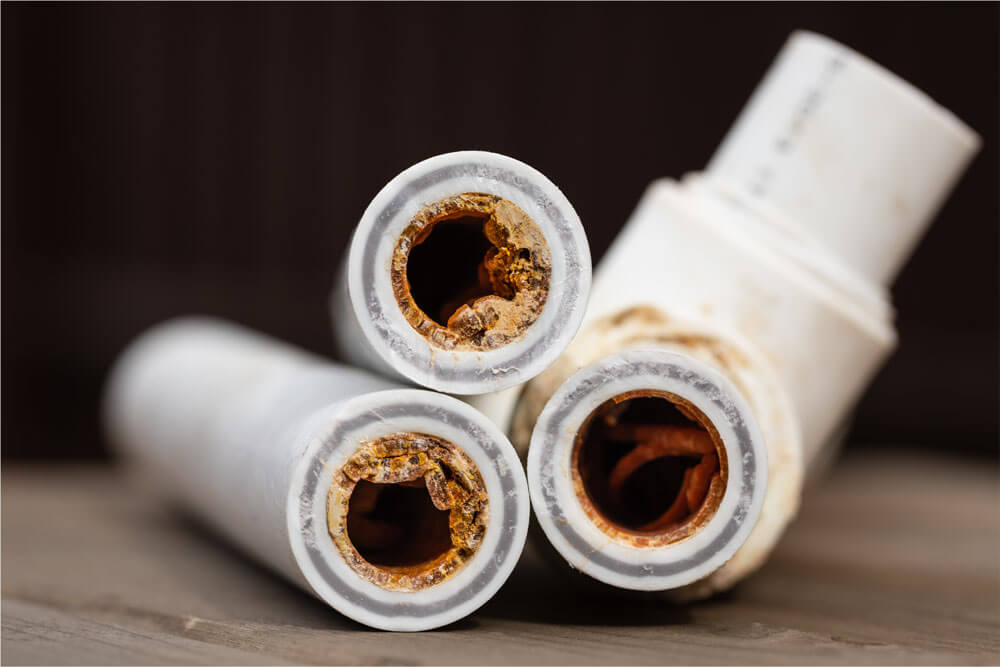
Left unmanaged, sediment can shorten equipment life, increase operating costs, and impact guest satisfaction across multiple areas of your property. Protect your building and guest experience — contact us today.
Why Sediment Is A Bigger Issue For Accommodation Providers
Hotels place higher demand on water systems than residential buildings. Peak usage times, high hot water demand, and guest expectations mean sediment issues are felt faster and more visibly.
Unlike homes, accommodation providers must manage:
- Reputation and online reviews
- Guest comfort and safety
- Compliance and asset protection
- Unplanned maintenance and downtime
A proactive filtration strategy helps reduce risk — rather than reacting when systems fail.
Where Is The Sediment Coming From?
Sediment can include a mix of:
- Sand and fine grit
- Silt and clay
- Iron particles
- Organic matter
- Pipe scale and corrosion by-products
These particles may be microscopic or visible to the naked eye. While not always a health risk, they can cause significant operational issues in accommodation buildings — and we’re seeing this more frequently across Hobart properties.
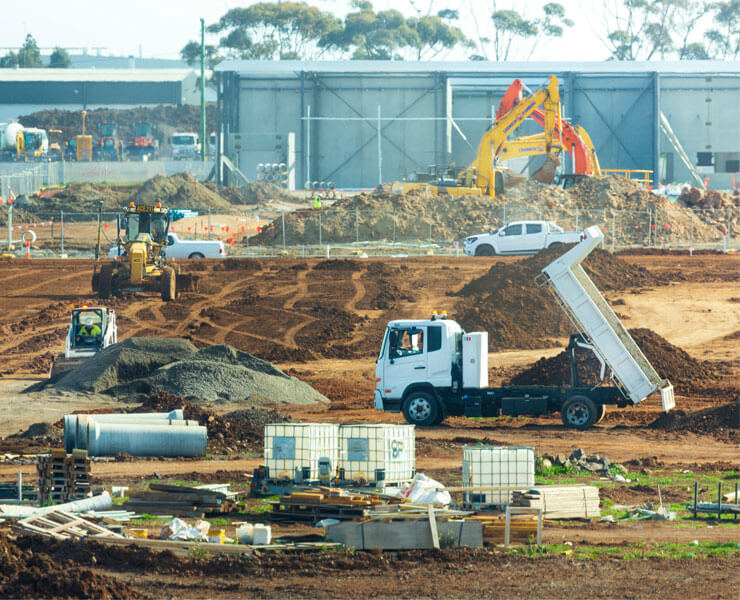
Sediment levels can increase due to local and operational factors, including:
- Changes in raw water quality following heavy rain
- Disturbance of sediments in catchments feeding Hobart’s supply
- Older reticulation and building pipework
- Pressure fluctuations that dislodge material inside pipes
Common trigger events
- Firefighting activity
- Maintenance or upgrades to local infrastructure
- New developments or construction works
- Changes in water flow or demand
Areas across Greater Hobart and surrounding suburbs can experience intermittent sediment events — even if water quality has been stable for years.
If sediment appears suddenly, it’s worth investigating before damage occurs.
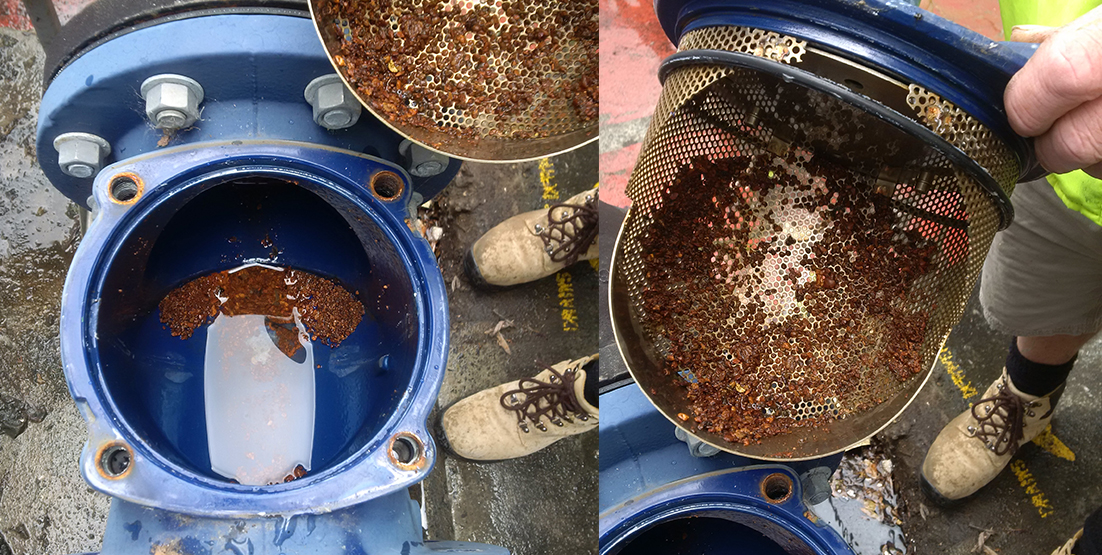
The Right Solution: Treat Sediment At The Point Of Entry
The most effective way to manage sediment is to remove it before it enters your building systems.
Typical sediment filtration solutions:
- Incoming water sediment filtration at the property boundary
- Multi-stage filtration for variable particle sizes
- Automatic or high-capacity filters to reduce change-outs
- Filtration sized for peak accommodation demand
The right solution depends on:
- Sediment type and load
- Building size and occupancy
- Existing plant and pipework
- Maintenance capabilities
There’s no one-size-fits-all system — which is why assessment matters.
Why Work With A Water Filtration Specialist?
We work with accommodation providers across Tasmania and Australia, supporting hotels, hospitals, and commercial buildings with practical, fit-for-purpose filtration solutions. If sediment is affecting your hotel, early action can save time, money, and guest complaints.
Get in touch with our team to:
- Discuss the symptoms
- Understand your water quality risks
- Explore suitable filtration options
- Reduce unplanned maintenance and downtime

About the Author
Michael Loomes is Head of Sales, with over 15 years of hands-on experience across water treatment, technical service, and sales. He is known for his strong problem-solving ability, technical expertise, and collaborative approach. Michael combines practical field knowledge with customer-focused service delivery.
Contact us at 1800 656 771
Even if you’re just at the investigation stage – call our team, or leave your details below.



 Southland Filtration is a leading Australian provider of commercial water filtration solutions. We’ve been helping businesses since 1995 with a focus on quality, custom solutions, and reliable service. We work with businesses and organisations in Australia and New Zealand to address their unique water challenges and maintain the highest standards.