Date: 19/05/2026
Read Time: 3 minutes
Author: Tim Cox
Key points:
- Southland Filtration supports renewable wind and solar energy projects across Asia through our carbon offset partner, Tasman Environmental Markets (TEM).
- These projects help avoid prevent greenhouse gas emissions by replacing fossil-fuel electricity with clean, renewable energy.
- Beyond carbon reduction, the projects contribute to improved air quality, energy security and local economic benefits.
Energy production is one of the world's largest sources of greenhouse gas emissions. According to the United Nations, over 75% of global greenhouse gas emissions come from the energy sector, with nearly 90% of carbon dioxide emissions resulting from fossil fuel combustion, particularly for electricity and heat. These emissions not only accelerate climate change but also contribute to air pollution that affects millions of people worldwide.
Across many parts of Asia, electricity generation has traditionally relied heavily on coal and other fossil fuels. While these power sources have supported economic growth, they come at a significant environmental and human health cost.
That reality is changing, thanks to the rapid expansion of renewable energy.
Clean energy that replaces fossil fuels
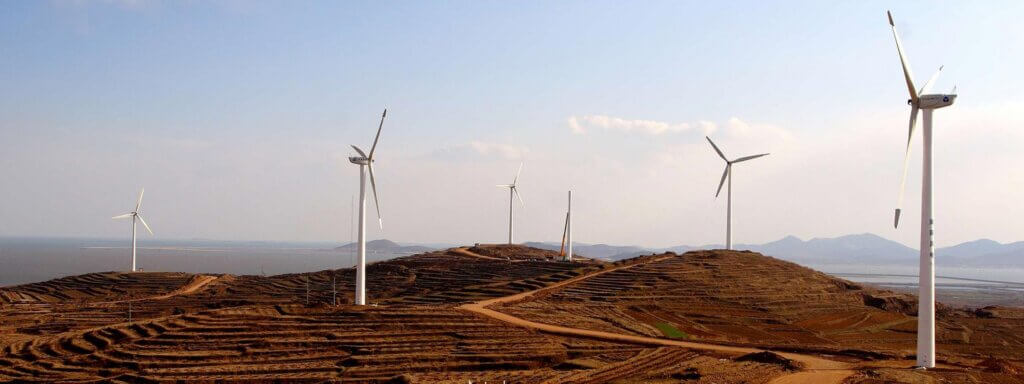
As part of our commitment to climate action, Southland Filtration partners with Tasman Environmental Markets (TEM) to support wind and solar renewable energy projects across Asia. These projects generate clean electricity that would otherwise have been produced by fossil fuel–fired power stations, thereby avoiding significant greenhouse gas emissions.
By harnessing abundant wind and solar resources, these projects displace high-emissions energy sources while supplying electricity to regional and national grids. This transition plays a critical role in reducing greenhouse gas emissions while building more resilient and sustainable energy systems.
More than emissions prevention
Renewable energy projects offer benefits that extend well beyond carbon reduction.
Switching to clean energy sources such as wind and solar helps improve air quality by reducing harmful pollutants like fine particulate matter and nitrogen dioxide, pollutants that largely originate from burning fossil fuels. Cleaner air contributes to better public health outcomes, particularly in densely populated regions where power generation and pollution are closely linked.
At the same time, TEM‑sourced projects help improve energy security by supporting more diverse, reliable and resilient electricity systems in host regions. Renewable energy infrastructure also has the potential to generate local employment during development, construction and ongoing operations, delivering economic benefits alongside environmental ones.
Scientifically measured, independently verified
The emissions reductions generated by these renewable energy projects are calculated using scientifically robust methodologies and independently verified. Each project follows approved Renewable Energy methodologies and is certified under internationally recognised standards such as the Clean Development Mechanism (CDM), Gold Standard (GS), or Verified Carbon Standard (VCS).
This ensures that the carbon abatement achieved is real, measurable and credible, giving confidence that each offset represents a genuine reduction in global greenhouse gas emissions.
Contributing to global goals
In addition to emissions prevention, these renewable energy projects can contribute to several United Nations Sustainable Development Goals, including:
- Affordable and Clean Energy (SDG 7)
- Decent Work and Economic Growth (SDG 8)
- Life on Land (SDG 15)
While not all co-benefits are required to be formally monitored under project standards, they can be reasonably expected outcomes of well-designed renewable energy initiatives using approved methodologies.
A practical path to climate action
Through our partnership with TEM, Southland Filtration supports renewable energy projects that deliver practical, scalable climate solutions. These projects demonstrate how carbon finance can accelerate the shift away from fossil fuels – powering communities, reducing pollution, and avoiding emissions that would otherwise have been generated.
By investing in clean energy across Asia, we're not just offsetting emissions — we're supporting meaningful, long‑term environmental improvements. Clean power reduces the pollutants released into the air, which in turn lessens the pressure on waterways and the systems that treat and filter our water. It's a reminder that climate action is interconnected, and that protecting one part of the environment often helps strengthen another. That's the kind of progress we're proud to support.

About the Author
Tim is Director of Southland Filtration, bringing experience in commercial and industrial water filtration and treatment systems since 1995. He has helped lead the company's growth and delivered water treatment solutions across healthcare, manufacturing, food and beverage, and infrastructure applications. Tim is known for his strategic leadership, industry knowledge, and straightforward approach to solving complex water treatment challenges.
Get in touch?
We have worked closely with stakeholders on numerous projects Australia-wide to deliver sustainable water management outcomes through adopting rainwater harvesting measures, call us to talk about your project 1800 656 771 or email Andrew.





 Southland Filtration is a leading Australian provider of commercial water filtration solutions. We’ve been helping businesses since 1995 with a focus on quality, custom solutions, and reliable service. We work with businesses and organisations in Australia and New Zealand to address their unique water challenges and maintain the highest standards.